
Description
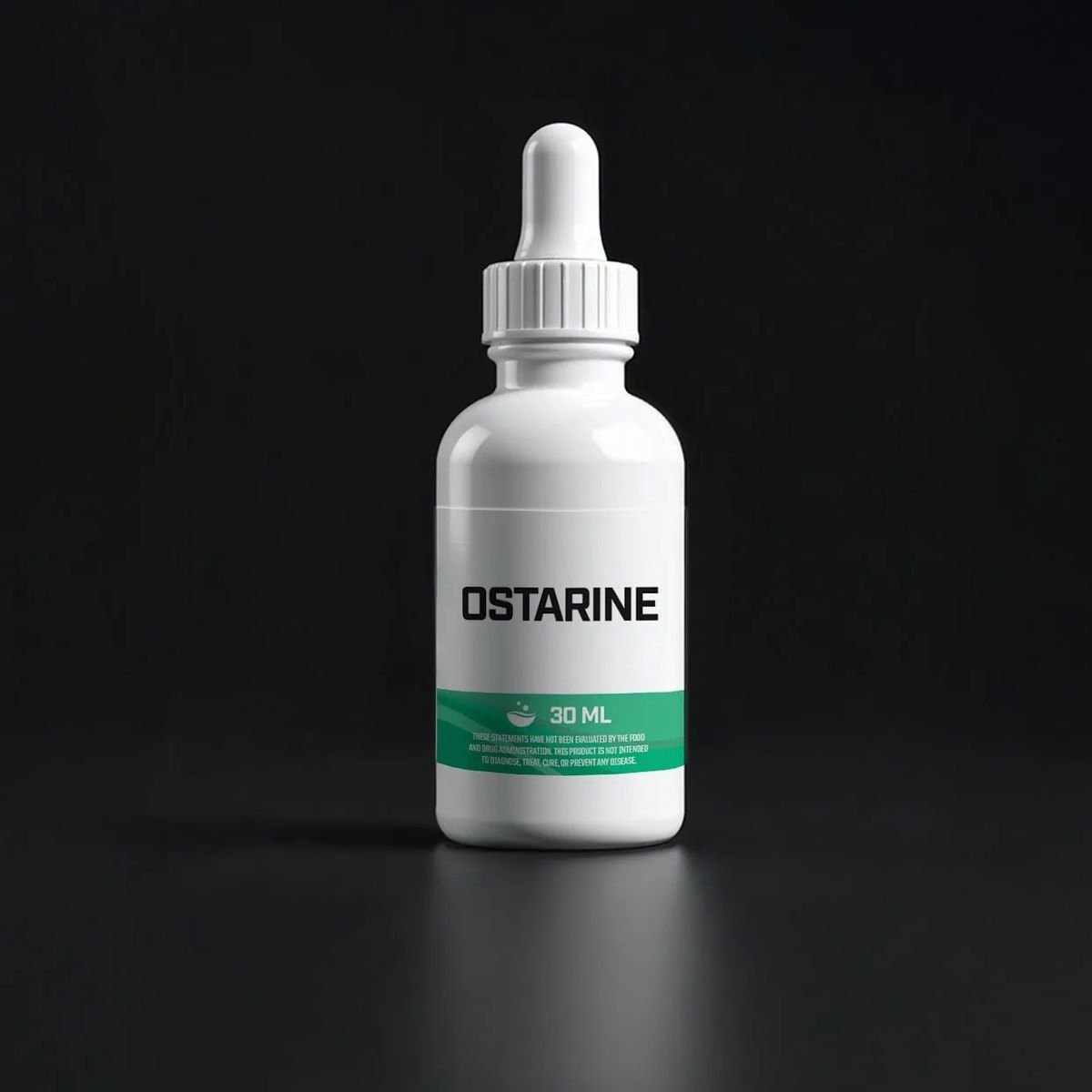
OSTARINE Research Peptide is a research liquid from Soma Chems Lab, created for buyers who need clear information about the compound family, mechanism of interest, and research context. It belongs within the Research Liquids group because it is supplied in liquid format, but its value is best understood through its own biology rather than generic liquid-compound language. The main research identity of this compound is connected to SARM and androgen receptor research compound, with discussion centered on androgen receptor signaling, lean-mass models, bone research, and tissue-selective modulation.
What Is OSTARINE?
Ostarine, also known as enobosarm or MK-2866, is a selective androgen receptor modulator. Androgen signaling means androgen signaling involves receptor pathways connected to muscle, bone, and endocrine research models. This matters because the compound is not interchangeable with every other research liquid. Ostarine differs from RAD-140 and LGD-4033 by research history and compound identity while still belonging to the same broader SARM cluster. Understanding the compound family first makes the rest of the research context more useful and prevents the description from sounding like a generic chemical listing.
Research Background
Researchers study Ostarine because it is one of the better-known SARMs for comparing androgen receptor activity across tissue models. The main biological discussion involves androgen receptor signaling, lean-mass models, bone research, and tissue-selective modulation. Tissue selectivity means tissue selectivity describes research interest in whether receptor activity can differ between biological tissues. These concepts are important because they explain why the compound is studied in its own research lane rather than being grouped only by format or product name.
Research Applications and Characteristics
The strongest research applications for OSTARINE involve its relationship to androgen receptor signaling, lean-mass models, bone research, and tissue-selective modulation. In research discussions, the compound is evaluated by mechanism, family, and how it compares with nearby compounds. Ostarine differs from RAD-140 and LGD-4033 by research history and compound identity while still belonging to the same broader SARM cluster. That distinction gives researchers a clearer way to understand where the compound fits and why it may be compared with other liquids in the same broader research group.
Related Research Compounds
OSTARINE is most naturally compared with LGD-4033 Research Peptide and RAD-140 Research Peptide. This comparison is useful because related compounds may sit close in the same research cluster while still acting through different mechanisms. Ostarine differs from RAD-140 and LGD-4033 by research history and compound identity while still belonging to the same broader SARM cluster. Comparing these compounds side by side helps separate receptor-based research, metabolic research, endocrine signaling, cognitive models, and mitochondrial pathways where relevant.
Why Choose Soma Chems Lab
This listing is written around research-first education, compound-family clarity, and careful comparison language. The goal is to make the compound understandable without unsupported medical claims or exaggerated mechanism statements. The description focuses on what the compound is, why it is studied, which biological concepts matter, and how it differs from related research liquids. This product is provided for research and informational purposes only.
Frequently Asked Questions
What is OSTARINE Research Peptide?
OSTARINE Research Peptide is associated with SARM and androgen receptor research compound. Its research context is mainly connected to androgen receptor signaling, lean-mass models, bone research, and tissue-selective modulation.
Which compounds are commonly compared with it?
LGD-4033 Research Peptide and RAD-140 Research Peptide are the strongest related comparisons because they sit close enough for meaningful research comparison while still representing different mechanisms or research families.
Does this content make medical claims?
No. This content is for research-oriented product information only and does not claim to diagnose, treat, prevent, or cure any condition.
Additional information
OSTARINE Research Peptide
OSTARINE Research Peptide is a research liquid associated with SARM and androgen receptor research compound. Its research context centers on androgen receptor signaling, lean-mass models, bone research, and tissue-selective modulation, with related comparisons used to separate its mechanism from nearby liquid compounds.
Reviews
Clear filtersThere are no reviews yet.